
Dementia care
Live-in care is often what keeps somebody with dementia at home for longest.
Dementia care →ISS live-in care offers round-the-clock help from the comfort of your own home while taking some of the pressure off your shoulders. Our caregivers live with you in your home to provide assistance, companionship and management while you enjoy your day-to-day routine with more independence.

Illustrative photograph
What it is
A live-in carer moves into your home and lives there alongside you — typically on a rota of two weeks on, two weeks off, shared between a small team of two or three carers so that nobody is a stranger.
They are not a housekeeper and they are not a nurse. They are the person who is simply there: at 3am when you cannot sleep, at 8am when you need help to get up, at 2pm when you fancy going out, and at 7pm when the house goes quiet and the day needs closing.
You are our priority, and so our live-in care services are tailored to your individual needs and preferences. Our live-in care plan is customised just for you — what time you get up, what you like to eat, who visits, and how much you want to do for yourself.
Live-in vs. visiting care
Neither is better. They answer different questions. If you are unsure, describe a difficult day to us and we will tell you honestly which fits.
| Visiting care | Live-in care | |
|---|---|---|
| Typical pattern | One or more visits a day, from 30 minutes upwards | A carer is present in your home day and night |
| Best suited to | People who are largely independent but need help with specific tasks | People who should not be left alone, or whose needs are unpredictable |
| Night-time | Only if you specifically book a night visit | Covered as standard, waking or sleeping |
| Continuity | A small team, usually 2–4 carers | A rotating pair or trio, with handovers written down |
| Your own home | Both keep you at home. Neither involves moving into a care home. | |
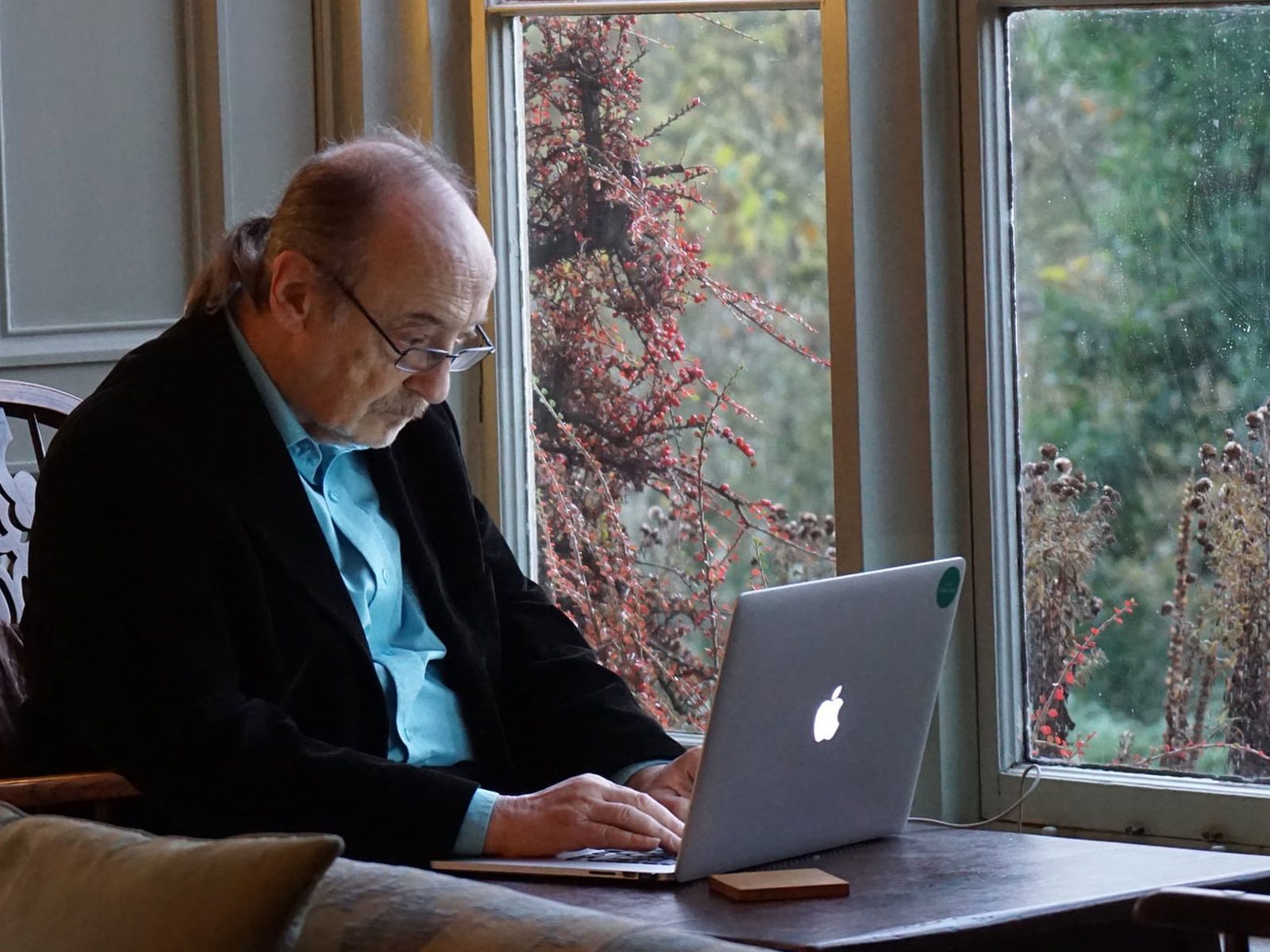
Illustrative photograph
How it is arranged
What a live-in carer does
About costsLive-in care is usually arranged in weekly blocks rather than by the hour, and the amount depends on the level of support you need. We do not publish figures here because quoting without seeing your situation would be misleading. There may also be funding available through your local authority or the NHS. Call 01268 964605 and we will talk you through it.
Read next
Live-in care is often what keeps somebody with dementia at home for longest.
Dementia care →Personal, social and domestic visiting care, if live-in is more than you need.
See our services →Who we are, and the CQC registration behind the service.
About us →Let's talk
It depends on the house as much as the person. Tell us about yours and we will give you a straight answer.