
Live-in care
A carer who lives with you — often the answer when dementia progresses.
Explore live-in care →A diagnosis changes a great deal, but it does not change who somebody is. Our dementia carers are trained to work with the person in front of them — their history, their habits, and the things that still make them light up.
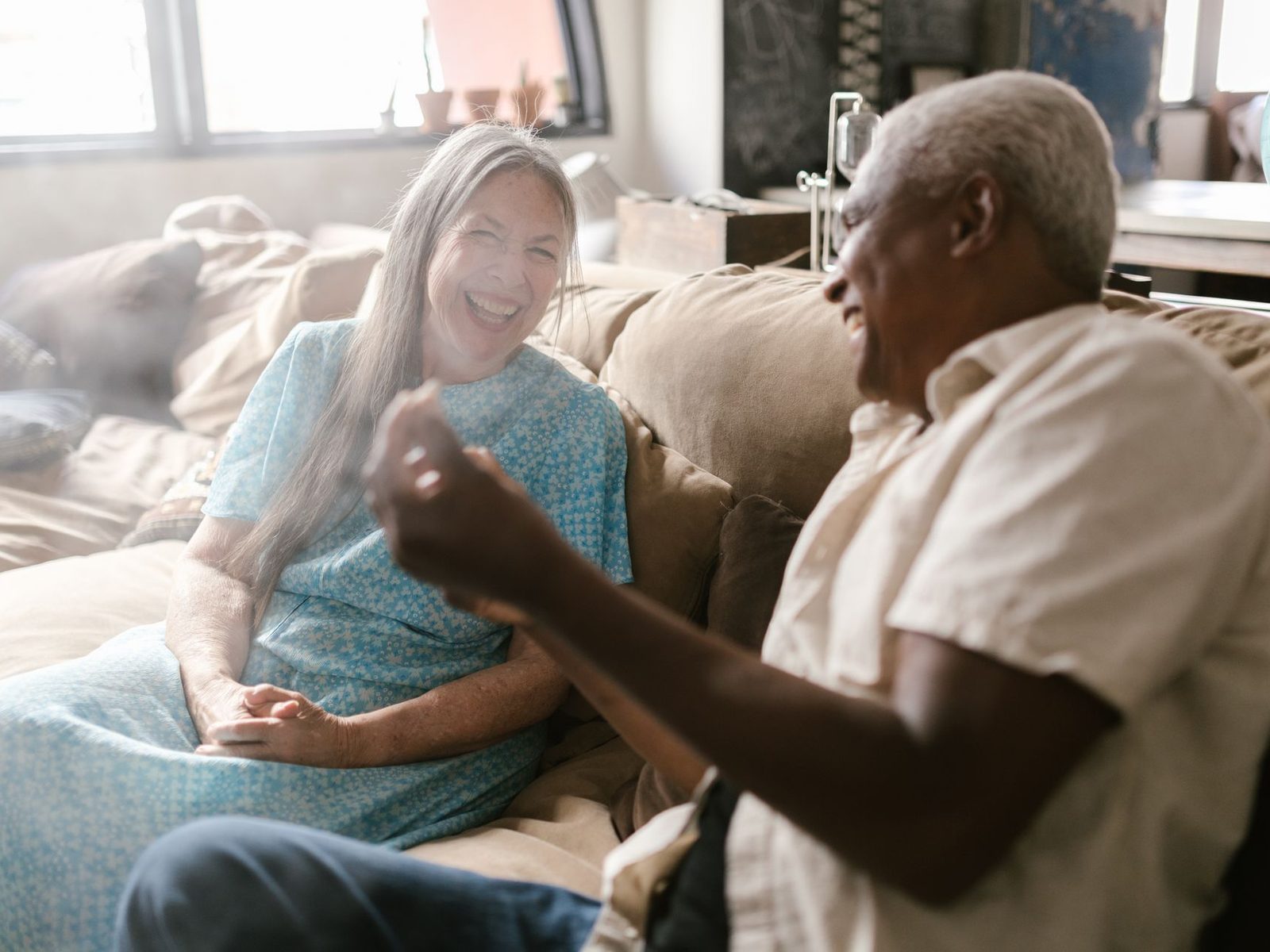
Illustrative photograph
Why continuity matters most
Memory loss makes strangers feel threatening and familiar routines feel safe. A rotating cast of carers — however kind and well-trained each one is — means starting from scratch every single visit.
So we build dementia rotas around a small, consistent team. The same person arrives at roughly the same time, parks in the same place, and knows that the kettle goes on before the conversation starts. Over weeks, that repetition becomes the foundation everything else is built on.
We also write down what we learn — how you take your tea, which photograph you always stop at, what time of day is hardest — and we share it with the rest of your team so nobody has to ask twice.
What good dementia care looks like
We work to your rhythm, not ours. If mornings are slow and confused, we build the day around that rather than fighting it.
If somebody believes it is 1974, arguing is not a kindness. Our carers are trained to meet the feeling behind the words.
Relatives get a clear picture of how things are going, including the parts that are difficult to say out loud.
We support what somebody can still do, and step in only where they need us. Doing it for them is quicker; it is rarely kinder.
Medication promptings, meal supervision, and a watchful eye on doors, cookers and stairs — without turning a home into a ward.
If you are the family member holding everything together, we can take a shift so you can rest — properly, without worrying.
Common questions
Often, yes — but it takes time and it takes the right person. Rushing somebody who is frightened of strangers makes things worse. We would rather start with short visits framed as company or a cup of tea, and let trust build before any personal care is introduced.
Distress is usually communication, not aggression. Our carers are trained to look for the cause — pain, hunger, a wet pad, too much noise, an unfamiliar face — and to withdraw and try again rather than escalate. We report every incident to you, and we will tell you honestly if a situation is beyond what we can safely staff.
Yes. With your consent we will liaise with district nurses, occupational therapists, the GP, social services and any memory clinic already involved in your care. We are one part of a team, not a replacement for it.
It is often the option that keeps somebody out of a care home for longest, because the environment stays the same while the support increases. You can read more on our live-in care page.
Read next
A carer who lives with you — often the answer when dementia progresses.
Explore live-in care →Personal, social and domestic care, and how a plan is built around you.
See our services →Support for anxiety, low mood, bereavement and long-term conditions.
Mental health care →Let's talk
We will listen first, and only then suggest what might help. No obligation, and no pressure to decide anything today.